

Literacy review
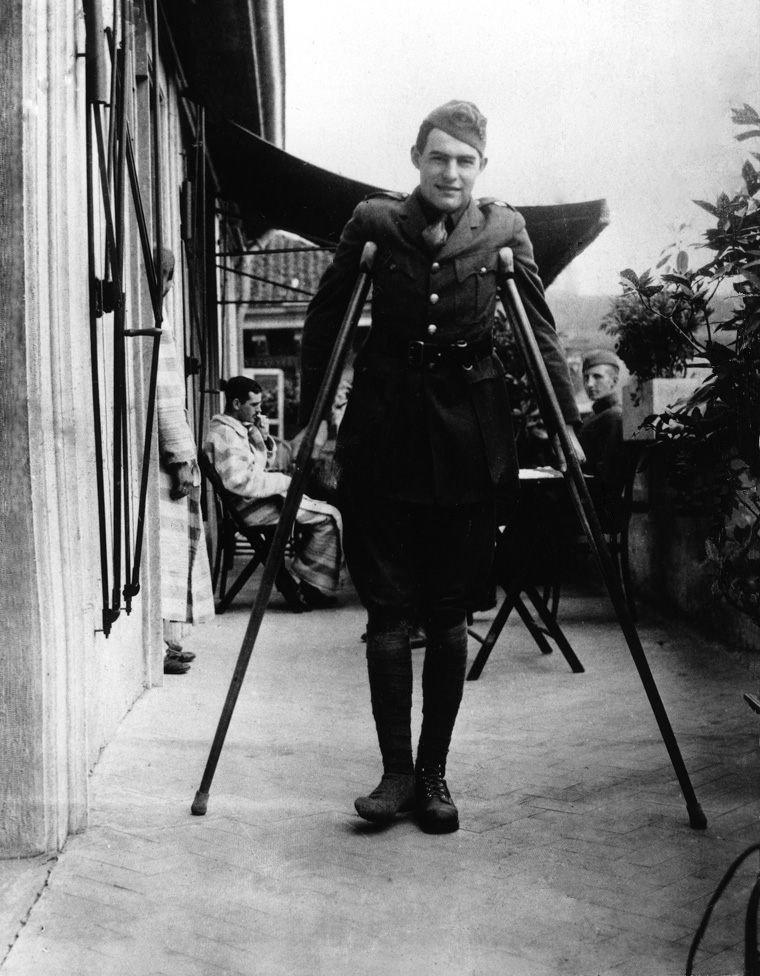
In Another Country by Ernest Hemingway is a short story that explores the emotional and psychological effects of war on soldiers. Set in Milan during World War I, the story follows a group of injured soldiers who go to the hospital regularly for treatment. Although the plot of the story is quite simple, Hemingway uses different literary devices and a subtle writing style to show deeper ideas about isolation, trauma, and identity.
One of the central themes in the story is isolation, and Hemingway develops this through both symbolism and setting. The title itself, “In Another Country”, suggests not only a physical place but also a feeling of emotional distance. The narrator is an American among Italian soldiers, which already makes him feel like an outsider. Even though they share similar experiences of being injured, there is still a gap between them. The hospital setting also reinforces this sense of separation. It is described in a quiet and almost lifeless way, which reflects how disconnected the characters feel from normal life.
Symbolism plays an important role in expressing the uncertainty of recovery. The medical machines that the soldiers use are meant to help them heal, but they don’t seem very reliable. In fact, the soldiers themselves don’t fully trust them. Because of this, the machines can be seen as symbols of false hope or even the limits of modern technology. They promise improvement, but there is no real guarantee. This reflects the soldiers’ situation, where they are physically present and going through treatment, but emotionally they are still stuck and unsure about the future.
Hemingway also uses imagery in a subtle way to create atmosphere. The descriptions of the cold weather, the empty streets, and the hospital interior all contribute to a feeling of loneliness. Even though the descriptions are not very detailed, they are effective in showing the emotional state of the characters. The environment feels distant and unwelcoming, which mirrors how the narrator feels inside. This technique makes the story more immersive without needing long explanations.
Another key literary device in the story is irony, especially in how courage and bravery are presented. The Italian soldiers value medals as symbols of honor, but the narrator feels uncomfortable about his own medal. He believes he didn’t earn it in the same way as the others, which creates a sense of insecurity. This is ironic because medals are supposed to represent pride, yet for the narrator, it becomes a source of discomfort. It shows that society’s idea of bravery does not always match personal feelings.
Dialogue is also used effectively, particularly in the interaction with the major. At first, the major appears strict and emotionally controlled, especially when he talks about discipline and not getting married. However, later in the story, he suddenly becomes emotional after his wife dies. This shift reveals his vulnerability and shows that even the strongest characters can be deeply affected by loss. It also highlights the theme of emotional trauma, which is not always visible on the surface.
Hemingway’s writing style itself can be seen as a literary technique. The use of short sentences, simple language, and minimal explanation creates a sense of realism. Instead of directly stating emotions, the writer allows readers to infer meaning through small details and actions. This makes the story feel more natural, even though it is a bit complex at the beginning.
To sum up, In Another Country is a powerful exploration of life after war, even though it may seem simple on the surface. Through literary devices such as symbolism, imagery, irony, and dialogue, Hemingway shows the deep emotional struggles of the characters. The story suggests that healing is not just about physical recovery, but also about dealing with loneliness and inner pain. Overall, it leaves a strong impression on the reader, even if it doesn’t say everything directly.